
Optimal Timing for Fire Restoration
Fire restorations are most effectively performed during specific periods when environmental conditions and building factors minimize risks and optimize results. Understanding the optimal timing can help property owners plan effectively and ensure thorough recovery from fire damage.
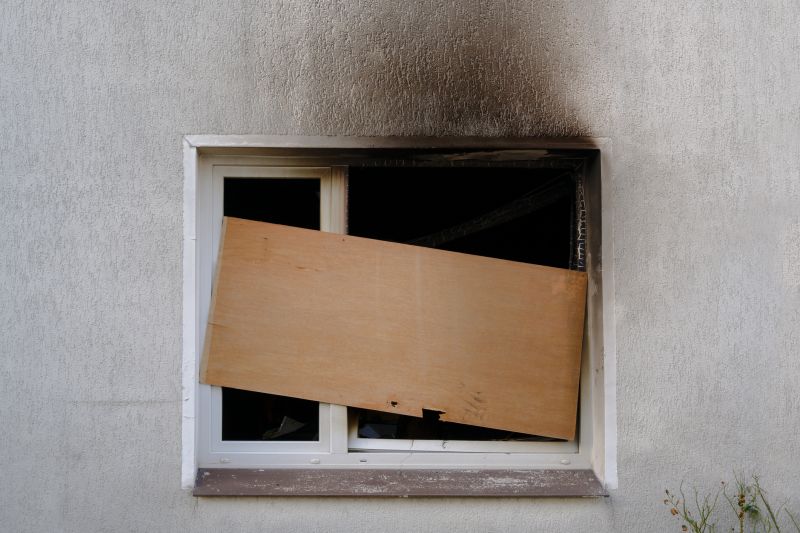
Spring and early summer are ideal for fire restorations due to milder weather and lower humidity levels.
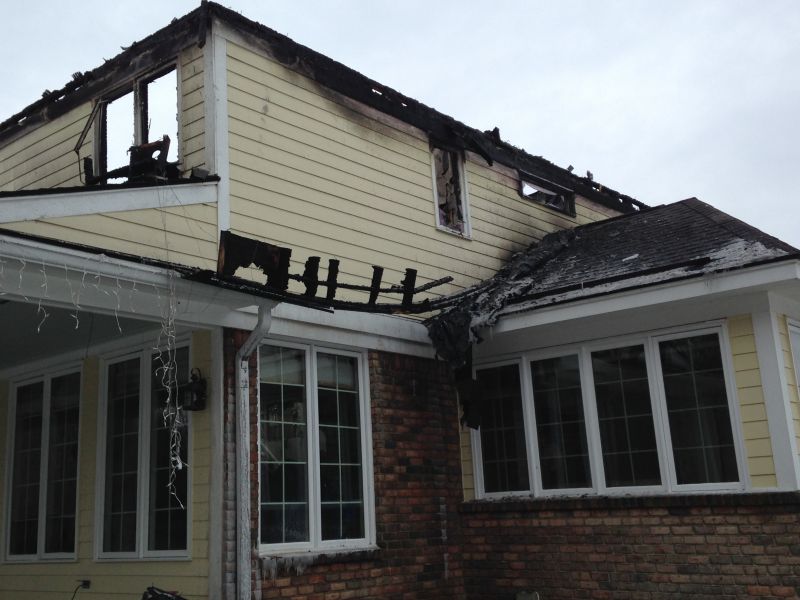
Late summer and mid-summer periods may pose challenges due to high temperatures and increased humidity.
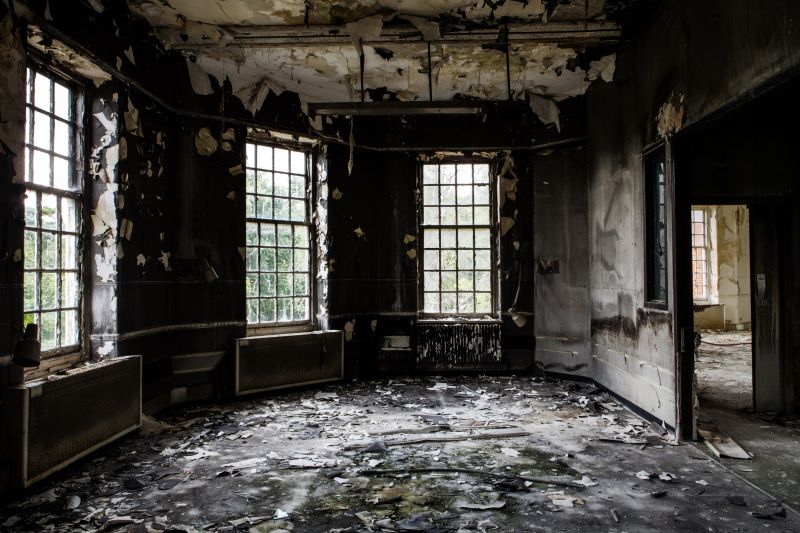
Fall provides a balanced climate with moderate temperatures, making it suitable for comprehensive fire damage repairs.
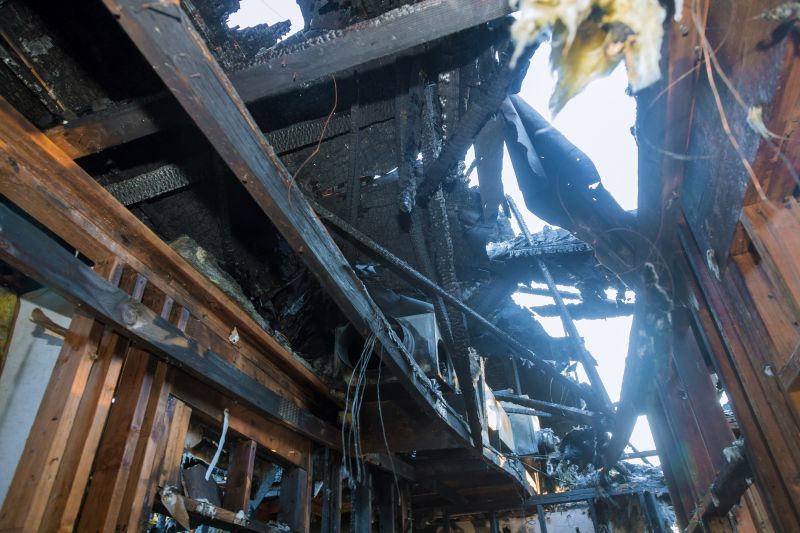
Ways to make Fire Restorations work in tight or awkward layouts.
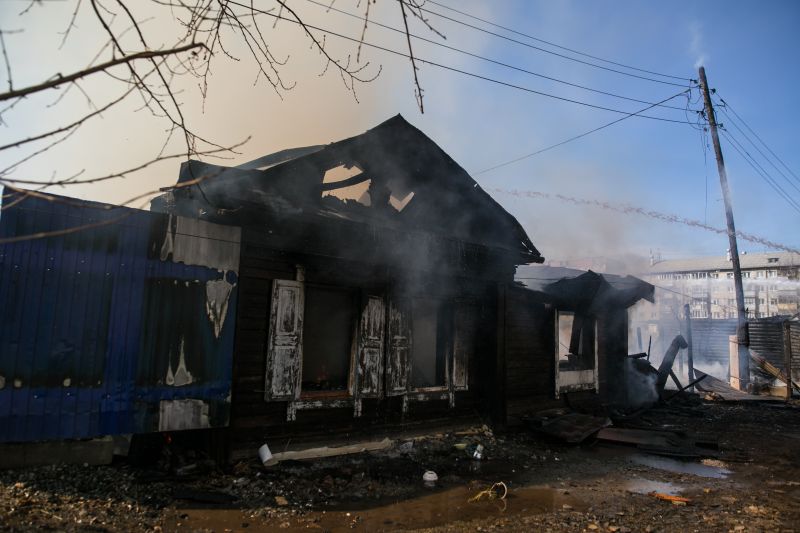
Popular materials for Fire Restorations and why they hold up over time.
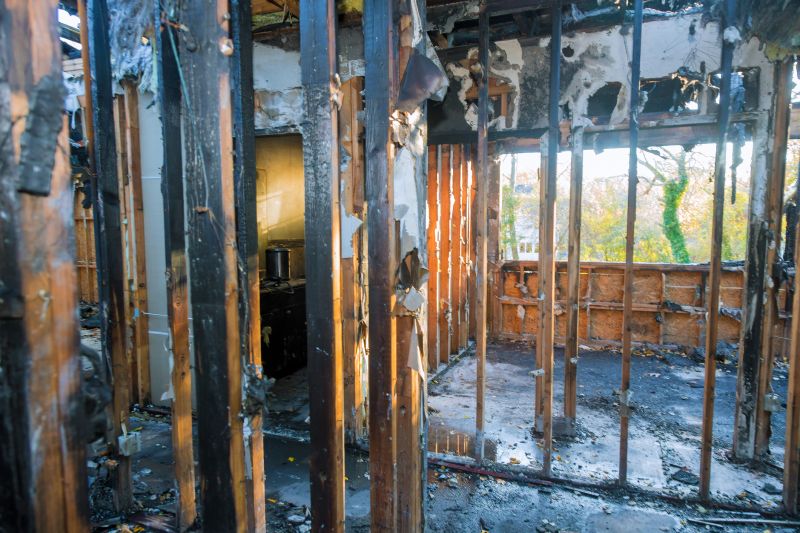
Simple add-ons that improve Fire Restorations without blowing the budget.
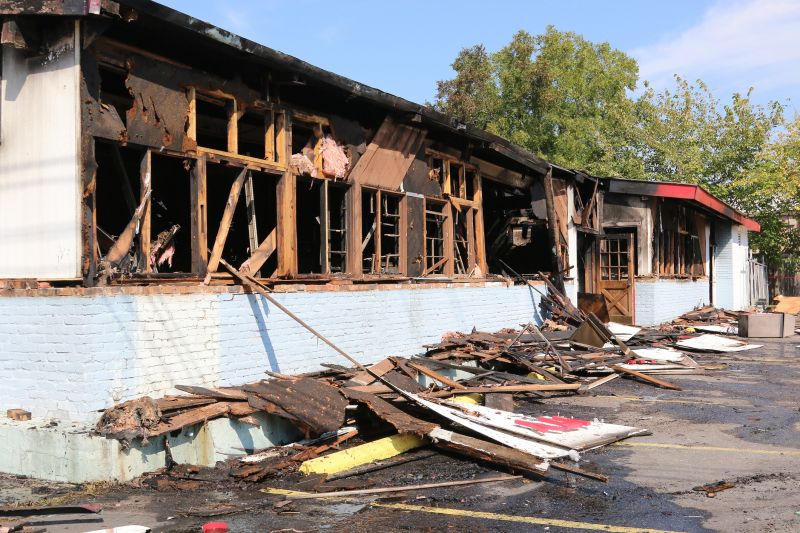
High-end options that actually feel worth it for Fire Restorations.
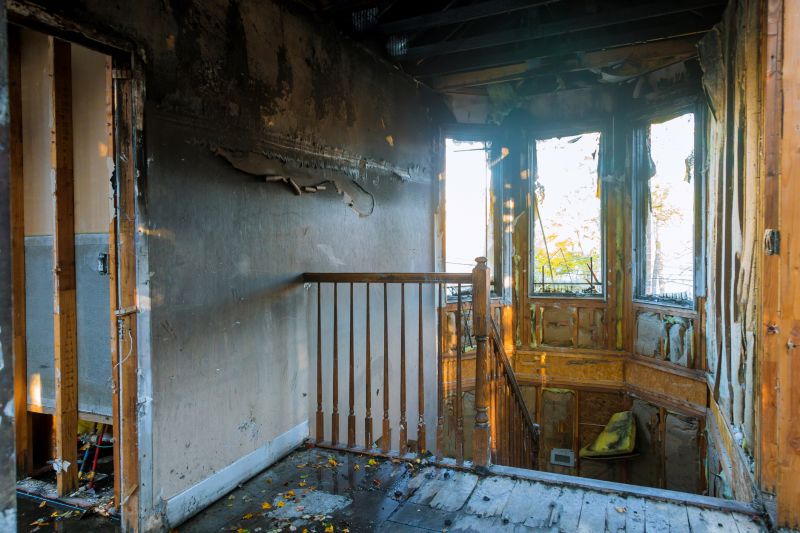
Finishes and colors that play nicely with Fire Restorations.
Fire restorations involve restoring a property after fire damage, which includes cleaning, debris removal, structural repairs, and odor mitigation. Timely intervention is crucial to prevent further deterioration, mold growth, and secondary damages. The choice of the best time for restoration depends on weather conditions, humidity levels, and the extent of damage.
Dry, mild weather reduces the risk of mold growth and facilitates safe, effective restoration work.
Lower humidity helps in faster drying of materials and reduces the chance of secondary issues.
Severe fire damage may require immediate attention regardless of season to prevent further structural issues.
Off-peak seasons may offer more scheduling flexibility for professional fire restoration services.
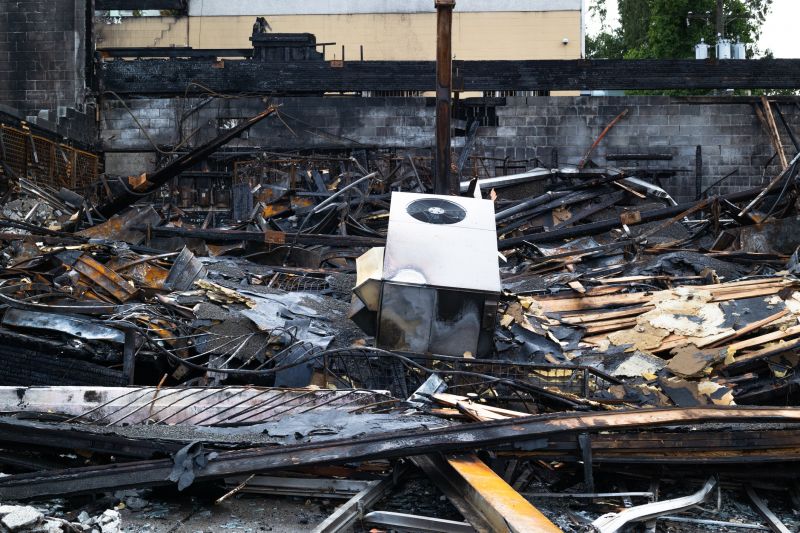
Removing debris and soot in optimal weather conditions.
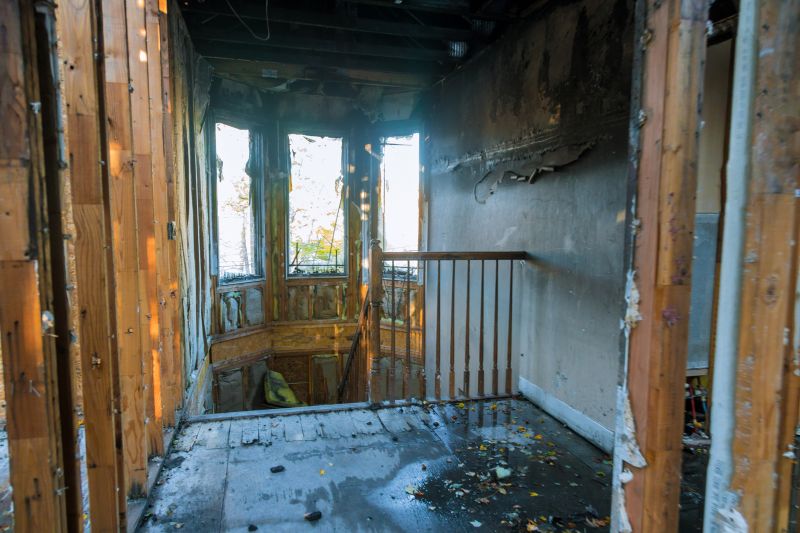
Restoring structural integrity during favorable climate periods.

Effective odor mitigation often benefits from dry, cool conditions.
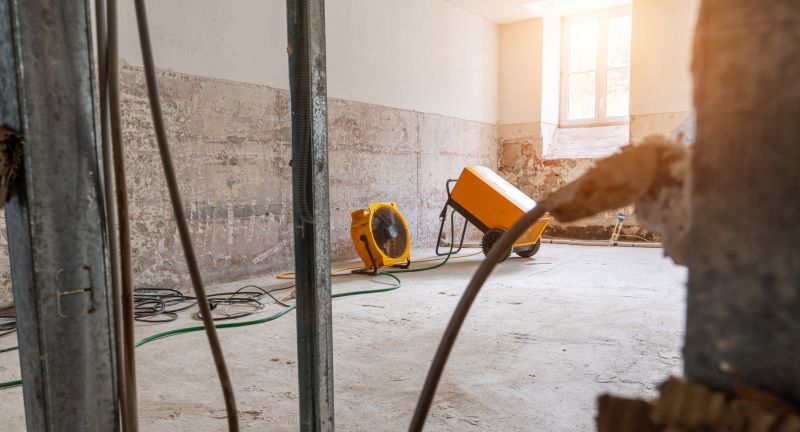
Timing restoration to avoid high humidity periods reduces mold risks.

Little measurements that prevent headaches on Fire Restorations day.

A 60-second routine that keeps Fire Restorations looking new.
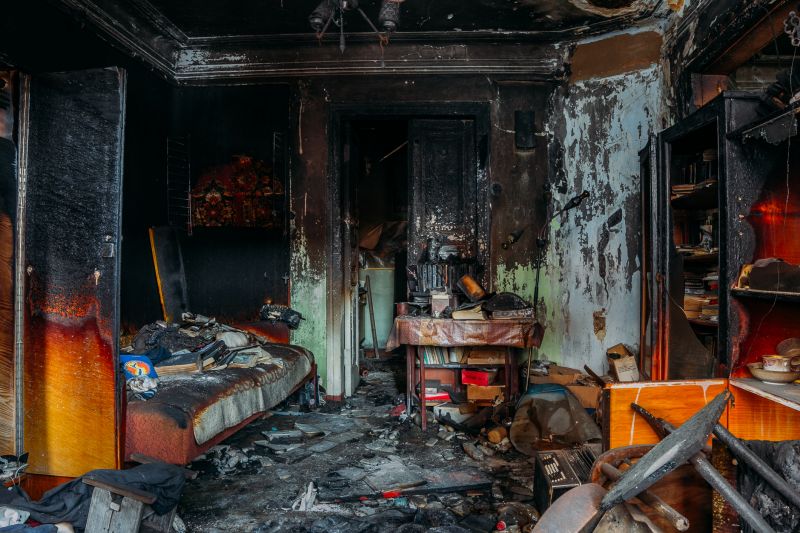
A frequent mistake in Fire Restorations and how to dodge it.

Small tweaks to make Fire Restorations safer and easier to use.
| Season | Advantages |
|---|---|
| Spring | Mild temperatures and lower humidity facilitate thorough restoration. |
| Summer | Longer daylight hours allow for extended work periods, but high heat can be challenging. |
| Fall | Moderate weather conditions are ideal for comprehensive repairs. |
| Winter | Potential delays due to cold weather and snow, but suitable for indoor work. |
Understanding the timing for fire restorations helps in planning effective recovery efforts. Proper scheduling ensures that restoration work is performed under the best environmental conditions, reducing risks and improving outcomes. Consulting with restoration professionals can provide guidance tailored to specific damage and local climate patterns.
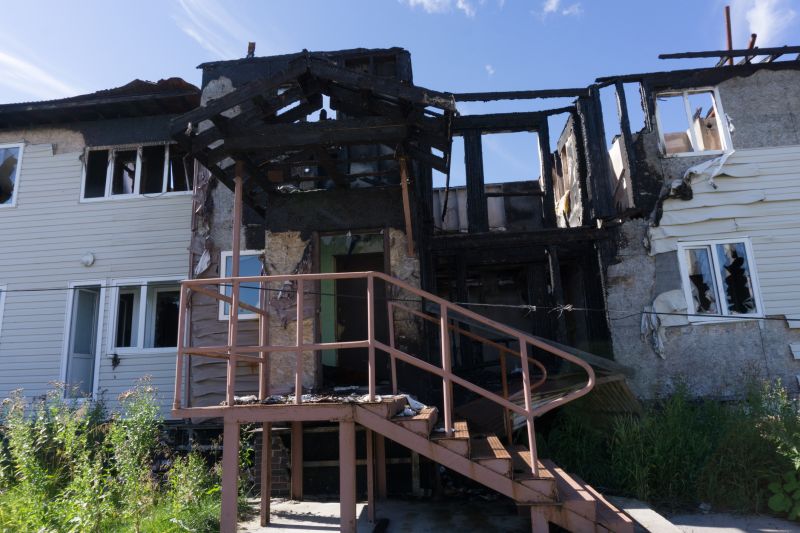
Visual evidence of restoration progress during optimal seasons.
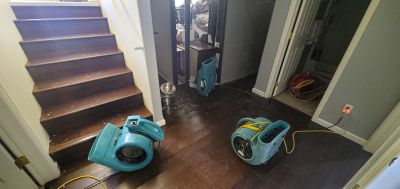
Tools and machinery used during peak restoration periods.
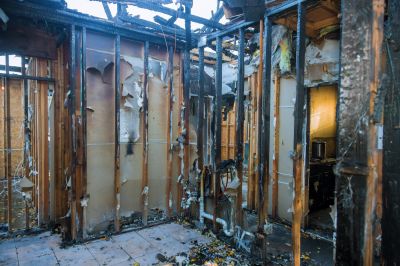
Showcasing successful fire damage recovery in favorable weather.
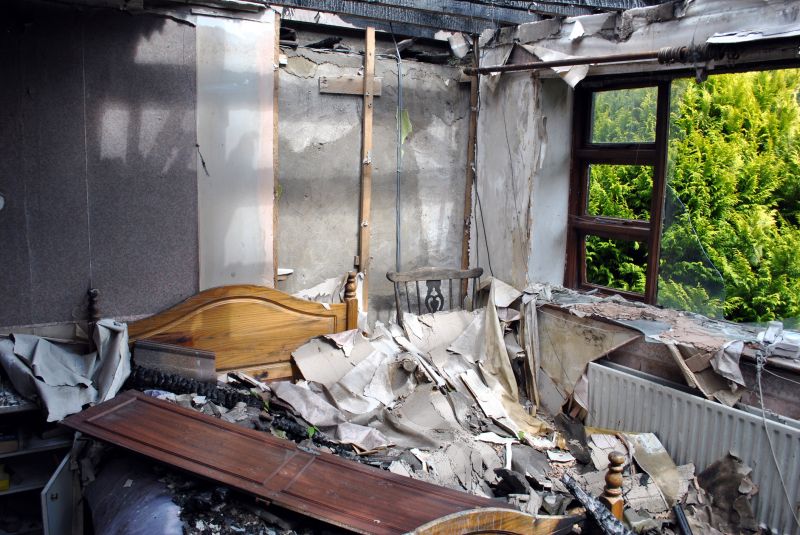
Lower-waste or water-saving choices for Fire Restorations.

The short, realistic tool list for quality Fire Restorations.
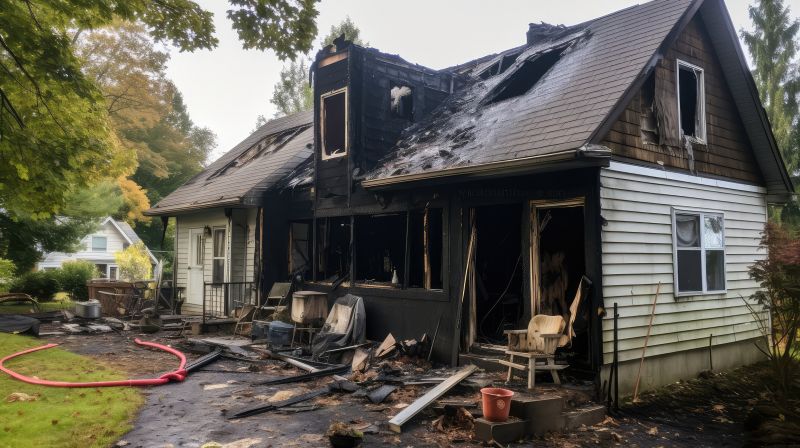
Rough timing from prep to clean-up for Fire Restorations.
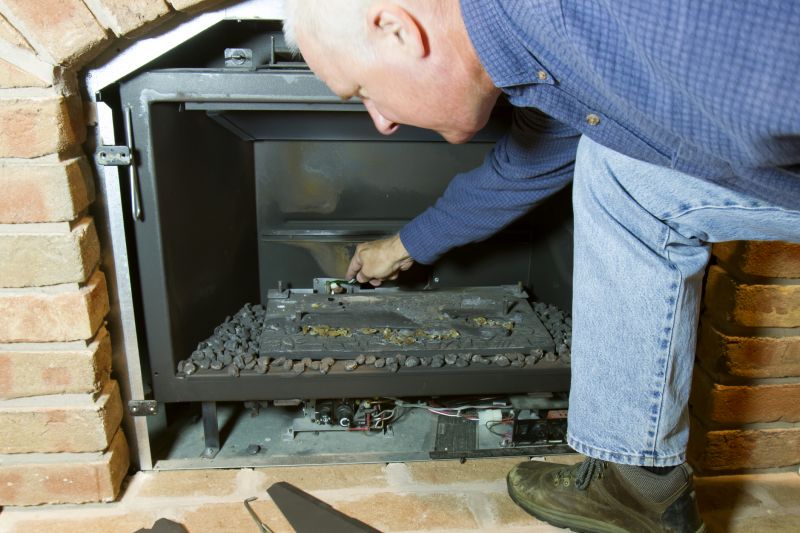
Quick checks and paperwork to keep after Fire Restorations.
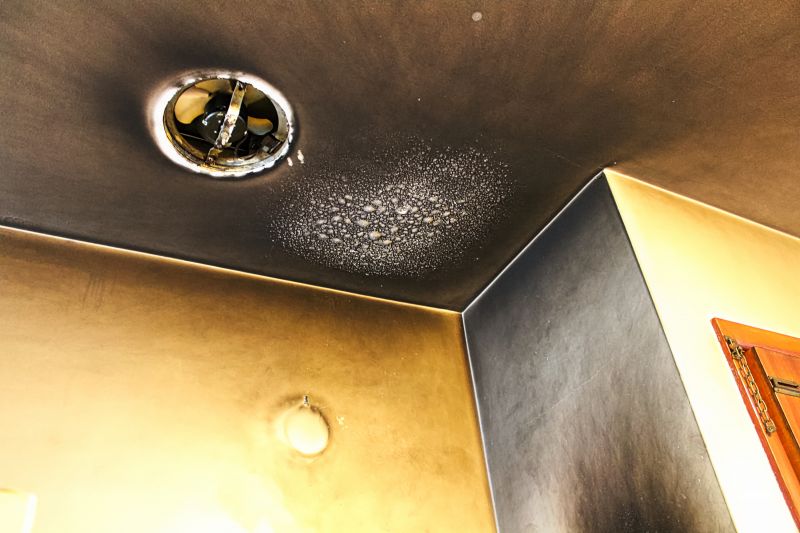
Examples that show the impact a good Fire Restorations can make.
Property owners interested in fire restorations should consider seasonal factors to maximize efficiency and effectiveness. Early planning and collaboration with experienced restoration specialists can ensure the best possible results for fire-damaged properties.
For those seeking assistance with fire restorations, filling out the contact form can initiate the process of scheduling inspections and services. Professional guidance can help determine the most suitable timing based on specific damage and local conditions.